
Manarolia: An ancient Cretan legume returns to light

μαναρόλια, λαθούρι, μπίζα

There are flavours that carry entire stories within them.

Flavours that travel through time,

bringing echoes from other eras,

from fields that no longer exist,

from tables set during difficult times.

Manarolia or biza, or lathouri,

as some know them is such a legume.

A seed that almost vanished into oblivion,

but now returns to Cretan cuisine,

bringing with it the promise of discovery.

μαναρόλια

A legume with history

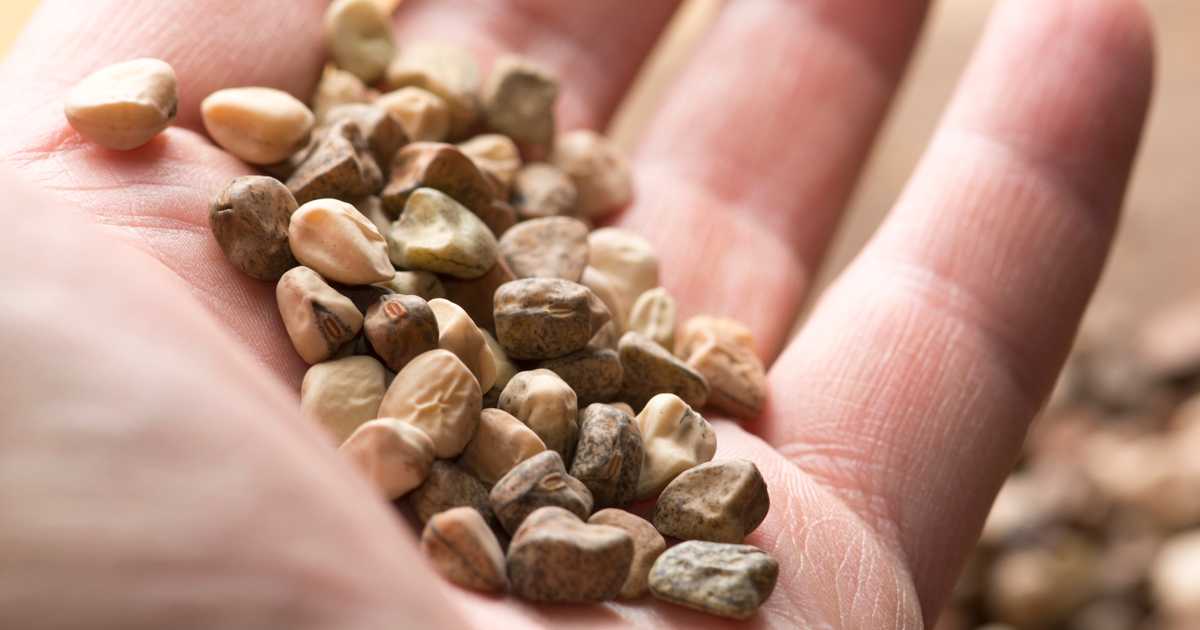
Manarolia is a purely Cretan product, a seed that was once cultivated and eaten throughout the island. In appearance, they somewhat resemble irregular corn kernels – unruly, authentic, earthy. However, over the years and because they became particularly associated with periods of poverty and deprivation, they gradually disappeared from fields and tables. The seeds were abandoned, the recipes forgotten. Older generations remembered them dimly, like a dream from their childhood years, while younger ones had never encountered them anywhere.
Fortunately, some people took care to revive them.

A "chameleon" flavour

Manarolia is a seed with personality. While it has its own distinctive flavour, it is also remarkably versatile: depending on how one cooks it, it can remind you of other, more familiar legumes. Like an old friend who adapts to the company without losing their authenticity.

At Avli Malia we use them with respect for tradition but also with the creativity that contemporary cuisine demands. We cook them with local ingredients, allowing them to showcase their flavour in dishes that converse with the Cretan land and its history. A characteristic example is our Salmon with Manarolia: fresh oven-baked salmon in an aromatic sauce of honey, lemon and dill, served with a manarolia and spinach ragout. Here, the ancient Cretan legume meets the sea, in a dialogue of flavours that is simultaneously traditional and contemporary.

separator

Nutritional value

Their nutritional value comes from their high protein, fibre and various nutrients, such as folic acid and manganese. Like all legumes, they offer significant health benefits, such as improving heart health, contributing to weight control, and promoting proper nervous system function.
Protein: They are high in protein, making them an important source of protein for vegetarian diets.

Fiber: They contain abundant fiber, which is essential for digestive health.

Folic Acid: They are rich in folic acid, which plays a role in blood formation and nervous system function.

Manganese: They are a good source of manganese, a trace element important for the nervous system and blood formation.


Health benefits: Eating them, like other legumes, is associated with beneficial effects on cardiovascular health, weight control, and the prevention of chronic diseases.

separator

The Return: when the lost is found again

The story of manarolia would not be complete without mentioning their rediscovery journey in the 21st century. The beginning lies in the work of Nikos Psilakis, the important researcher and author who dedicated his life to preserving and documenting Cretan folklore, tradition and gastronomy. In his books, Psilakis safeguarded the memory of countless elements of Cretan culture that were at risk of being lost – among them, manarolia.
From his pages began a search that led to an old man in Lasithi, who continued to cultivate manarolia in his yard for his own use, like a guardian of a secret that no one wanted to remember anymore. He was like a living link to the past – a reminder that some knowledge never completely disappears, as long as there is someone who tends to it.

The documentary was awarded at the gastronomic film awards International Food Film Menu 2025 in Barcelona, organized by the International Institute of Gastronomy, Culture, Arts and Tourism (IGCAT), where it received the jury prize in the "Regenerative Pathways" category. An award that recognizes not only the artistic value of the work, but also the importance of returning to our roots, recovering lost flavours and regenerating our relationship with the land.

lost and found film

Because in the end, manarolia is not just a legume.

It is a reminder that what is lost can be found again,

that the flavours of the land deserve to return to the light

and that every seed we plant today is a promise for tomorrow.

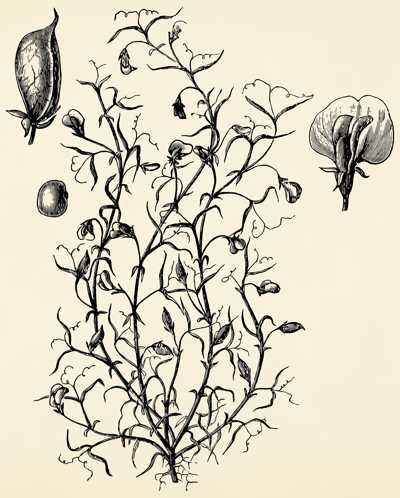
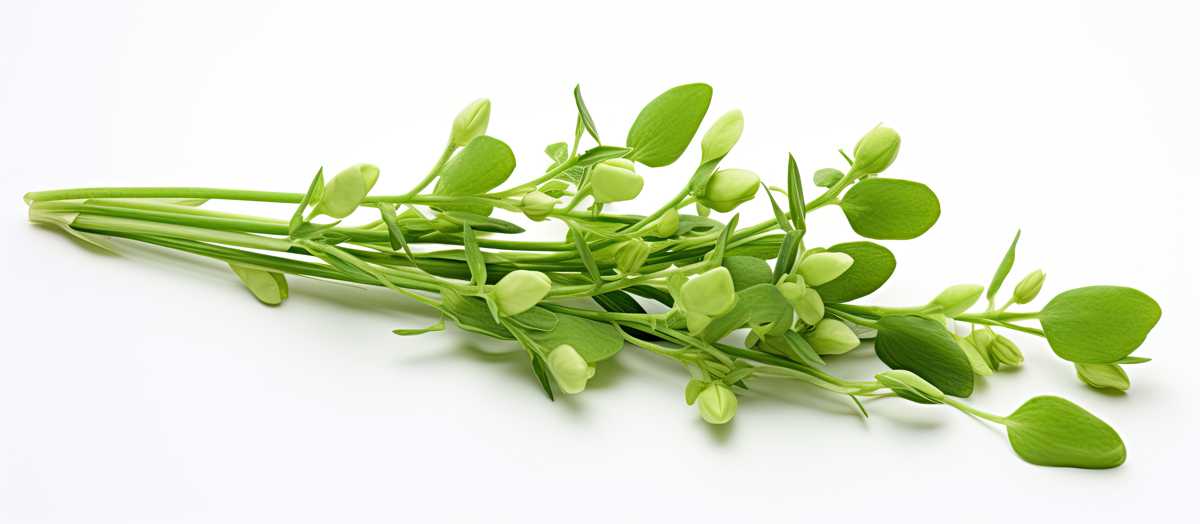
μαναρόλια, το φυτό

Αυτή η ανάρτηση είναι επίσης διαθέσιμη σε: Ελληνικα

Γευστικές Εμπειρίες