
Cretan hospitality: The art of welcoming guests that has been preserved for centuries.

When you set foot on Crete,

the first thing that will impress you

is not just the island’s natural beauty.

It’s the warmth in people’s eyes...

the genuine smile,

the “come and have something to eat”

you’ll hear from the very first local you meet.

Cretan hospitality is not just a habit -

it’s an experience, a centuries-old heritage

that continues to define

the island’s way of life.

Cretan hospitality: The art of welcoming guests that has been preserved for centuries.

The roots of hospitality: From mythology to daily life

Greek hospitality (philoxenia: philo- {friend (of)} xenia {strangers}) has its roots deep in antiquity. In ancient Greece, hospitality was not simply a matter of courtesy but a sacred obligation.

Xenios Zeus, the protector of strangers and travellers, saw all things. Respect for strangers was considered respect for the gods, and violating hospitality was one of the greatest sins.
In Crete, these ancient values did not remain only in history books. They became part of the culture, daily habits and the way Cretans view the world and the people around them.

Hospitality as a social code

To understand hospitality in Crete, one must view it through an anthropological lens. It is not a matter of superficial politeness towards tourists. It is a deep-rooted social code that determines relationships between people.
In traditional Cretan society, hospitality functioned as a system of reciprocity. When you hosted a stranger, you created a bond, a relationship that could prove valuable in the future. In an era without hotels and organized infrastructure, hospitality was the only way for a traveller to survive. And just as you hosted someone today, someone else could host you or your child tomorrow.

Honour and generosity

In Cretan culture, honour (“filotimia”) is at the heart of all social interactions. Hospitality is the way someone shows their honour. The more generous you are to strangers, the higher your position in the community.
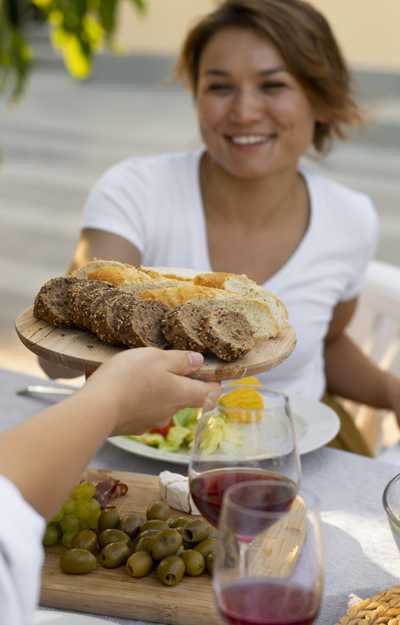
It is no coincidence that in a Cretan home, the table is always filled with more food than the guests can eat. This is not an exaggeration; it is a way of showing that you respect the other person, that their presence is valuable. "Some" would be an insult, not because it is not enough, but because it shows a lack of respect.

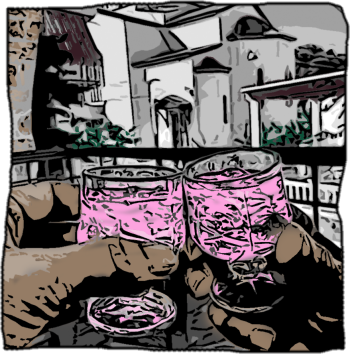
rose raki

The raki of friendship

Every visitor who has been to Crete has a story about raki (tsikoudia).
This traditional drink is not just an alcoholic beverage. It is a symbol of friendship and welcome.
When a Cretan offers you raki they are not just offering you a drink. They are opening the door to their home, to their heart.
Raki is always accompanied by meze, conversation and laughter.
This moment of sharing has no ulterior motive.
There is no expectation of reciprocity.
The joy lies in the act of offering itself, in creating a moment of connection between two people.

Hospitality in modern times

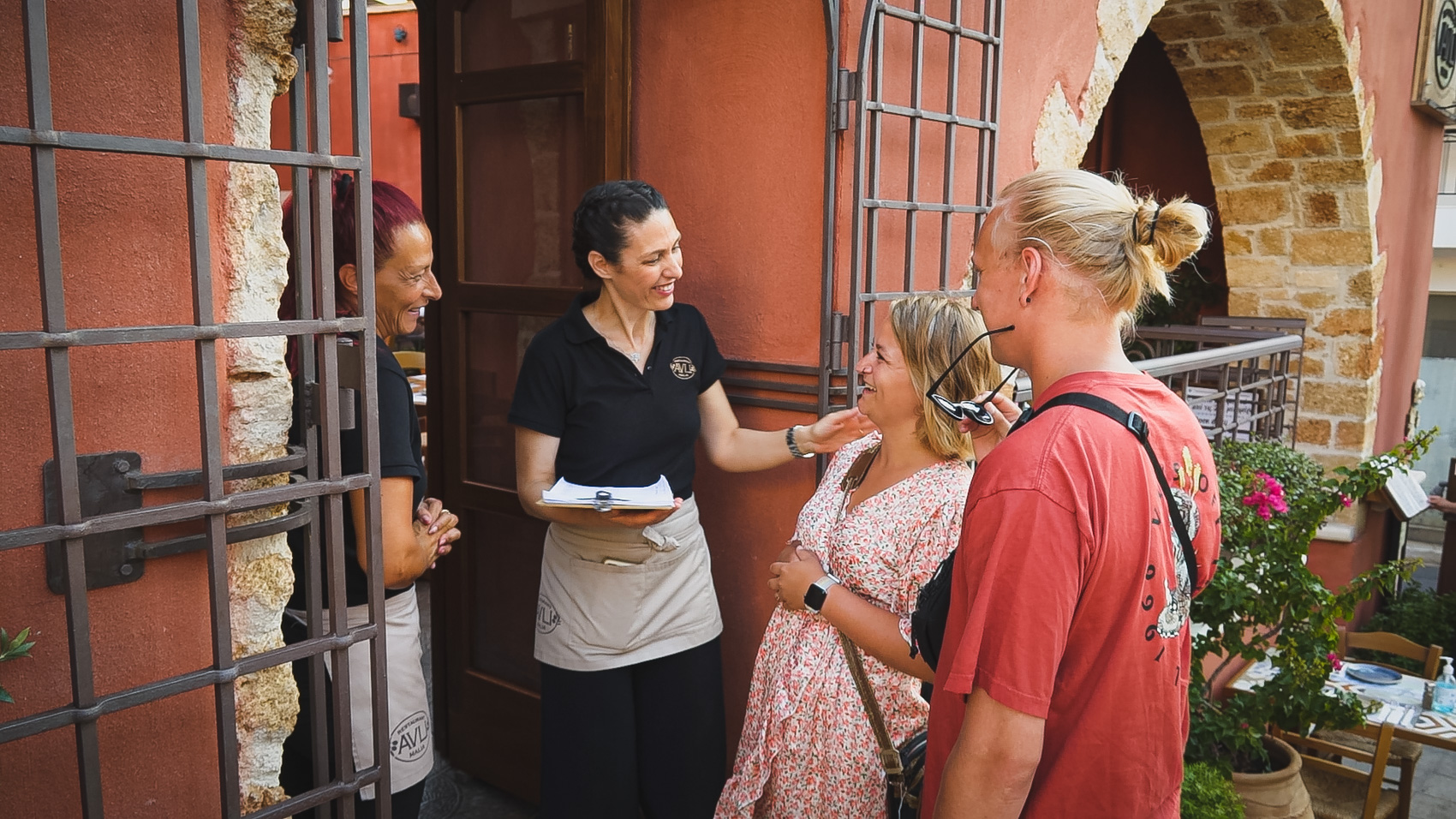
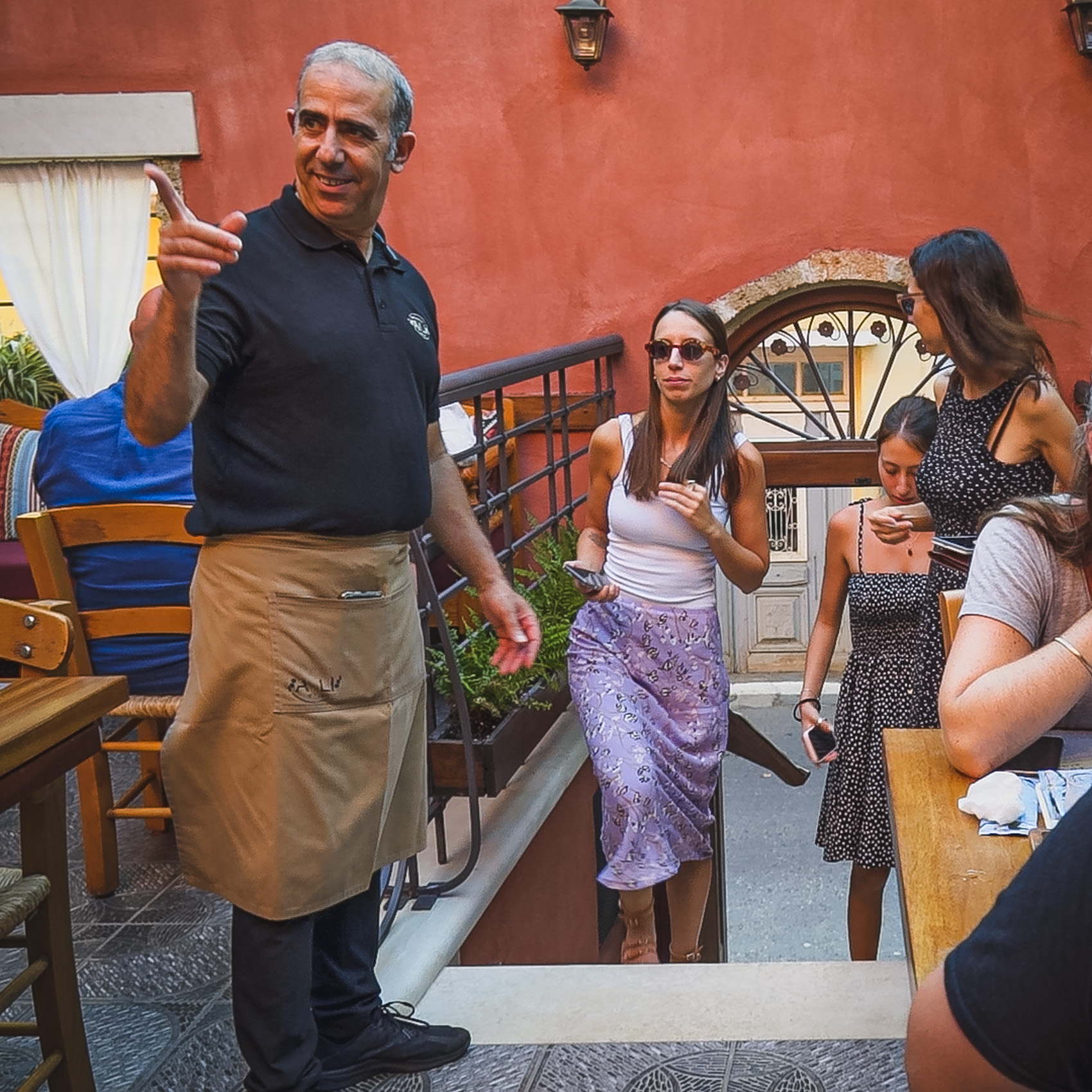
Although the world has changed, Cretan hospitality remains alive and well. In Crete's hotels and restaurants, this tradition continues in new forms. The owners see guests not only as customers, but as people who have entrusted their island with their holidays.
This approach is evident in little things: in the recommendation for a taverna that is not touristy but has the best lamb, in the way you hear about the history of the area from a local as if they were talking to an old friend, in the dessert that the owner will bring you "because she made it today."

φιλοξενία
hospitality

What makes Cretan hospitality special

Cretan hospitality stands out because it is not hypocritical. It is not a mask that locals wear for tourists. It is the way Cretans behave towards each other, their families, and their neighbours. It is authentic, raw, real.
You can feel this authenticity.

A visitor may not speak Greek, may not know the history, but they can feel the difference between professional politeness and a genuine warm welcome.

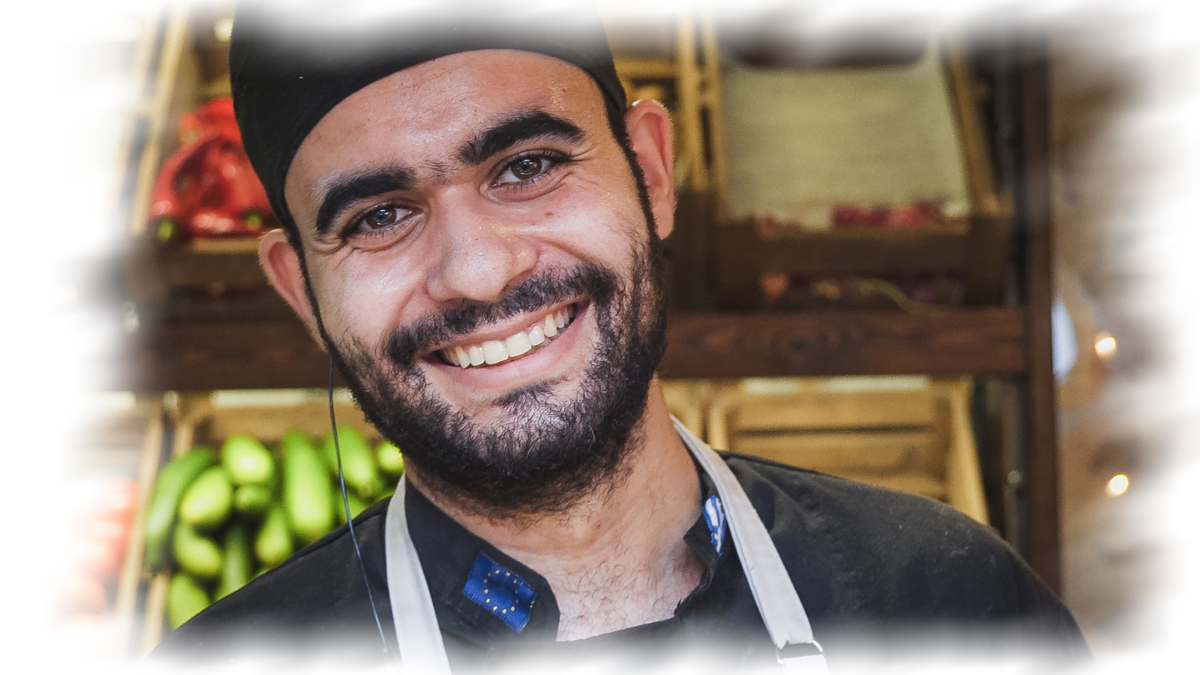
happy people

"When you visit Crete, you don't just come to a beautiful island. You enter a world where hospitality is a way of life, where strangers become friends and friends become family. This is the magic of Crete that cannot be captured in a photograph, but which every visitor carries in their heart when they leave."

Perhaps that is why so many return. Not just for the beaches and gorges. But for that feeling they get every time they set foot on the island again, as if they were "coming home."


At Avli Malia restaurant
we continue this tradition of authentic Cretan hospitality.
Every visitor is not just a customer –
they are someone with whom we share a piece
of our Cretan soul.
 

Αυτή η ανάρτηση είναι επίσης διαθέσιμη σε: Ελληνικα

Γευστικές Εμπειρίες