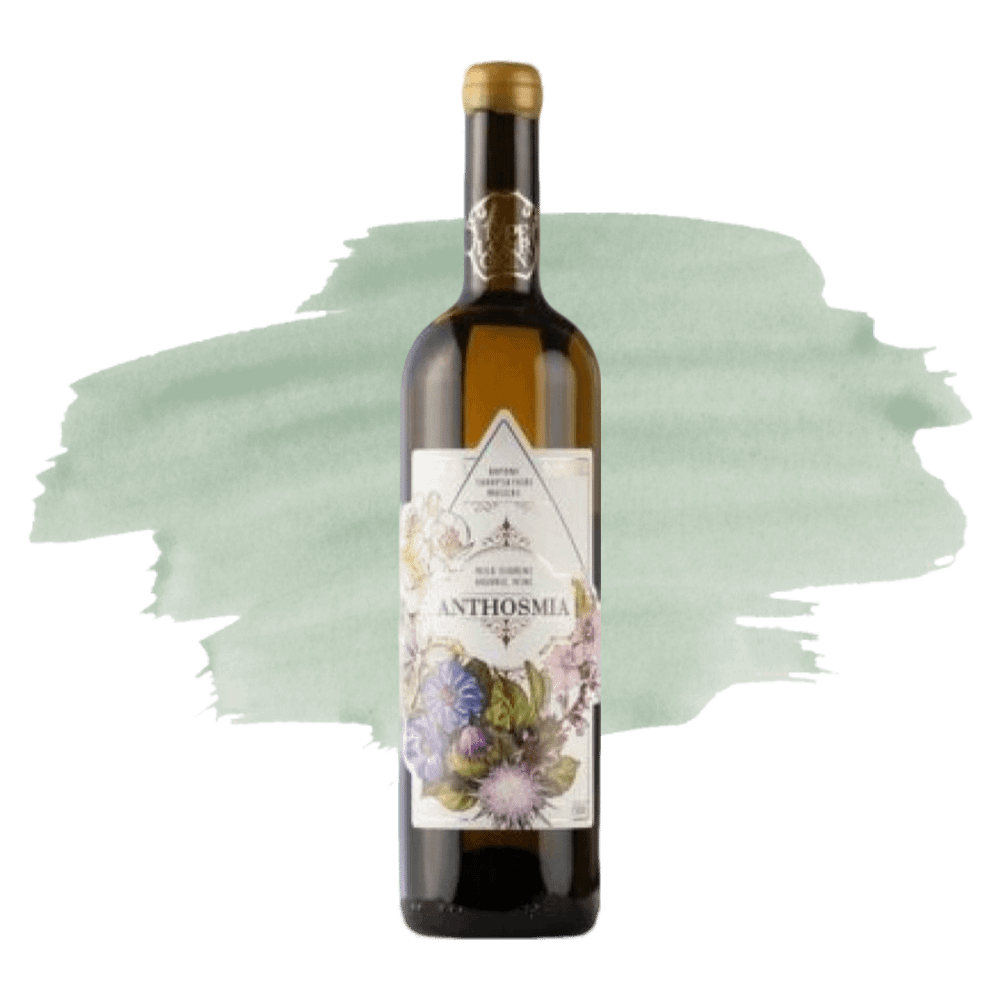
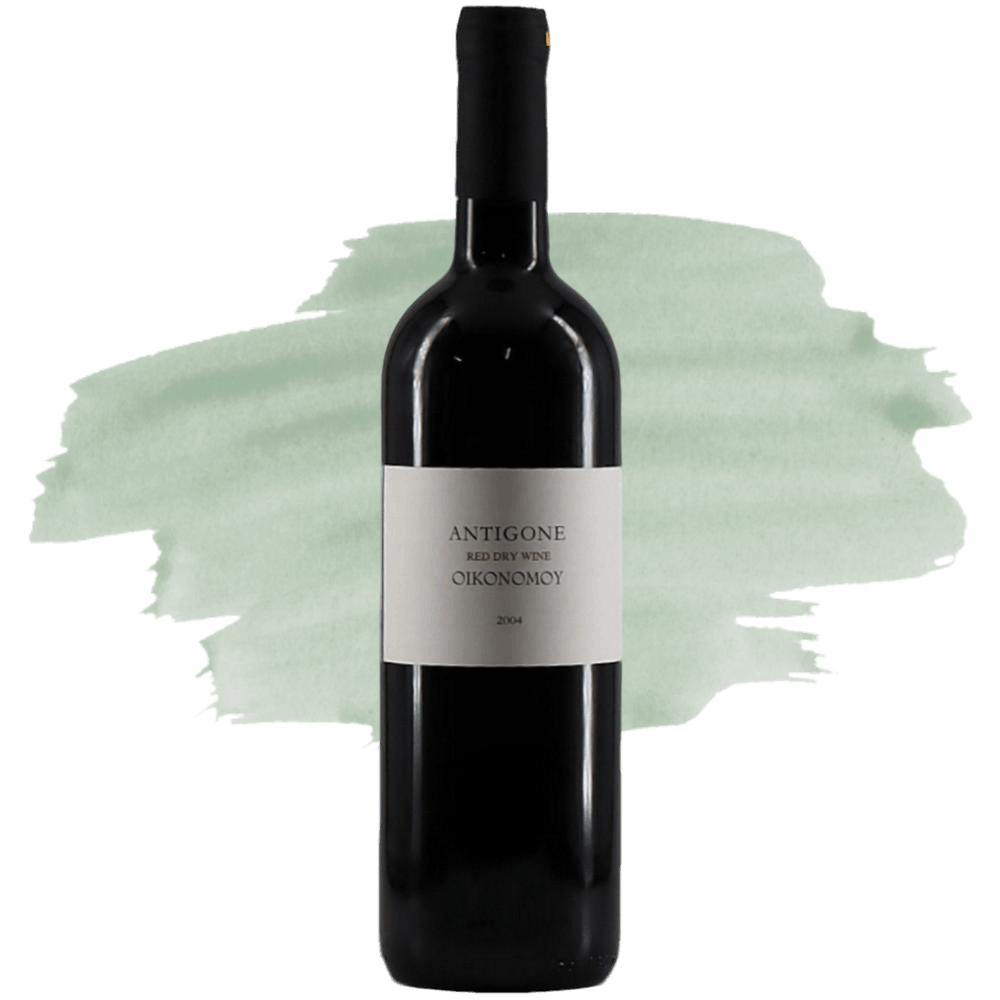
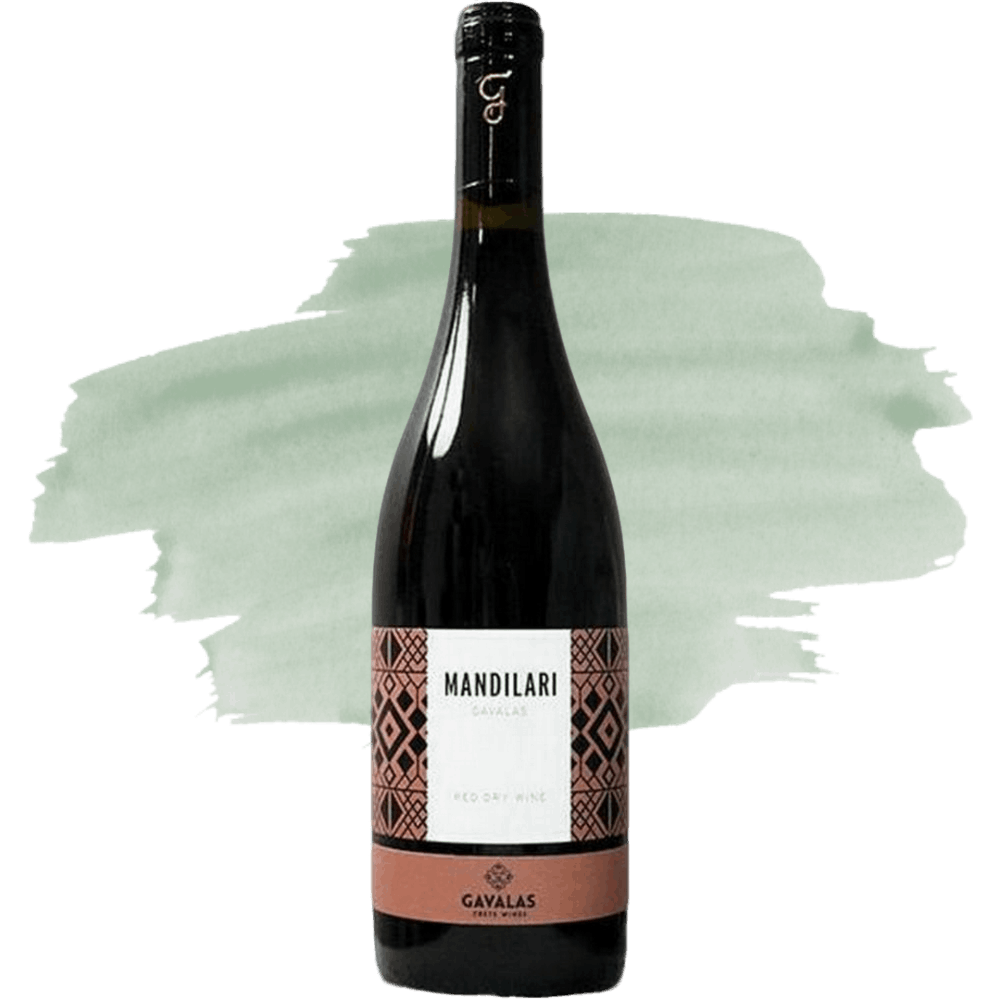
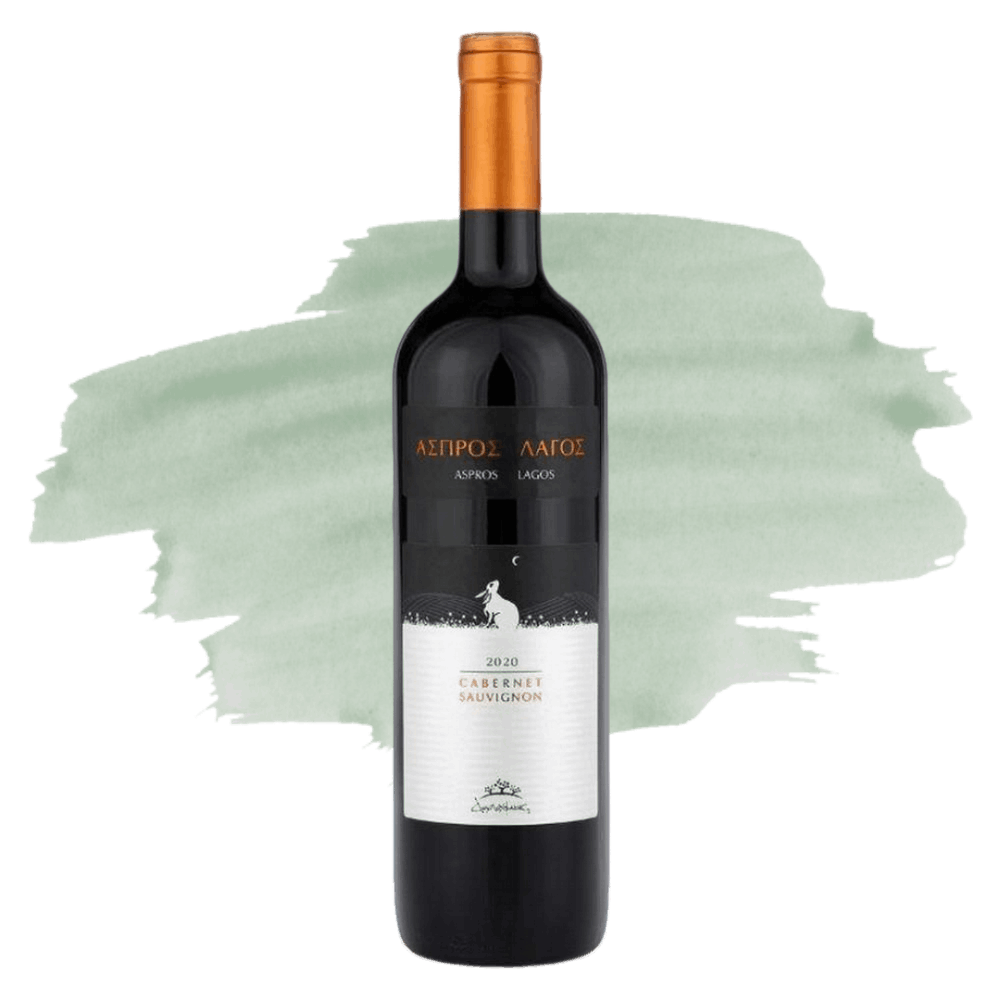
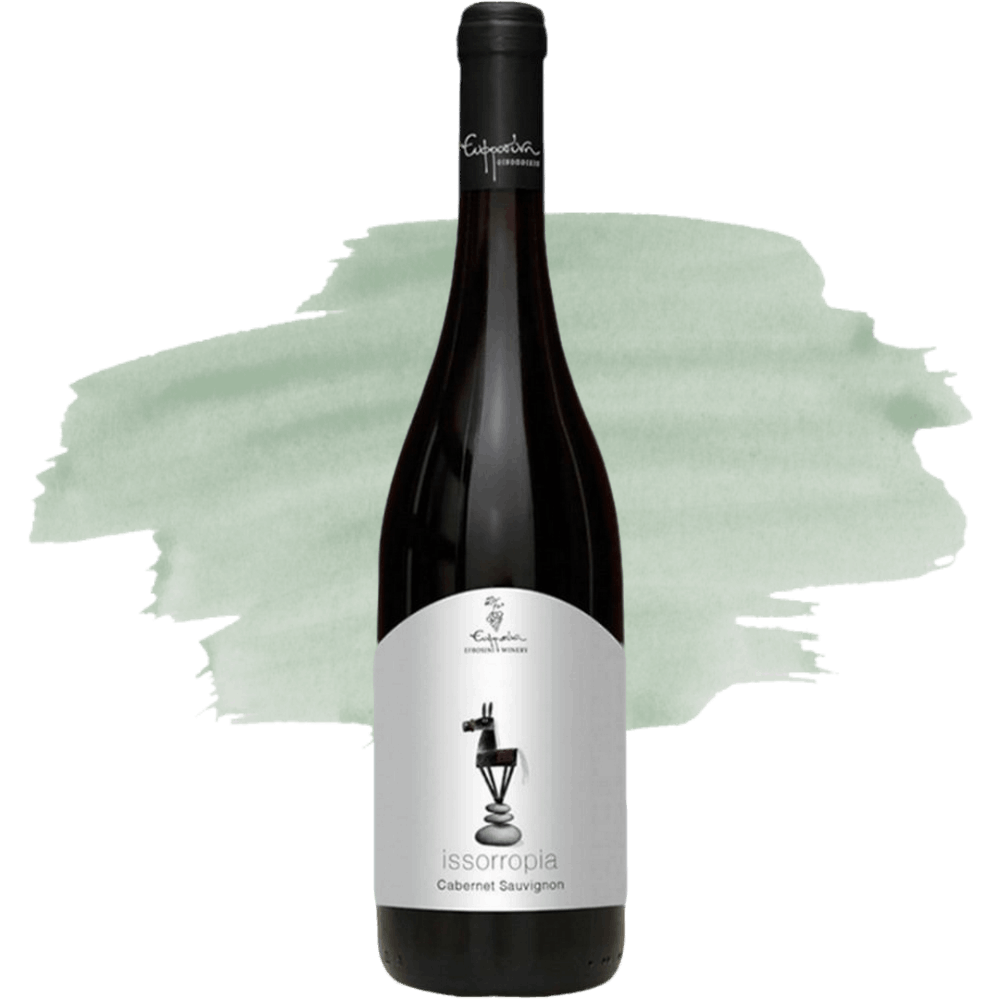
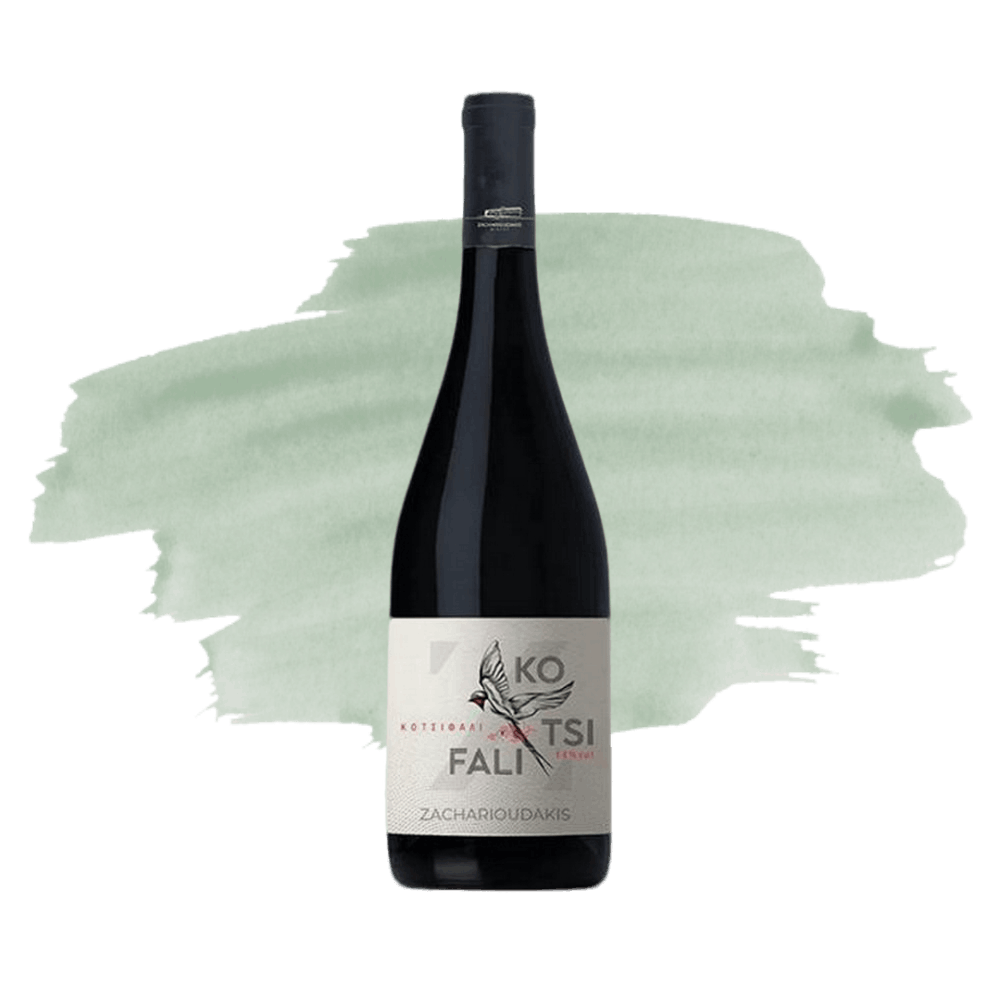
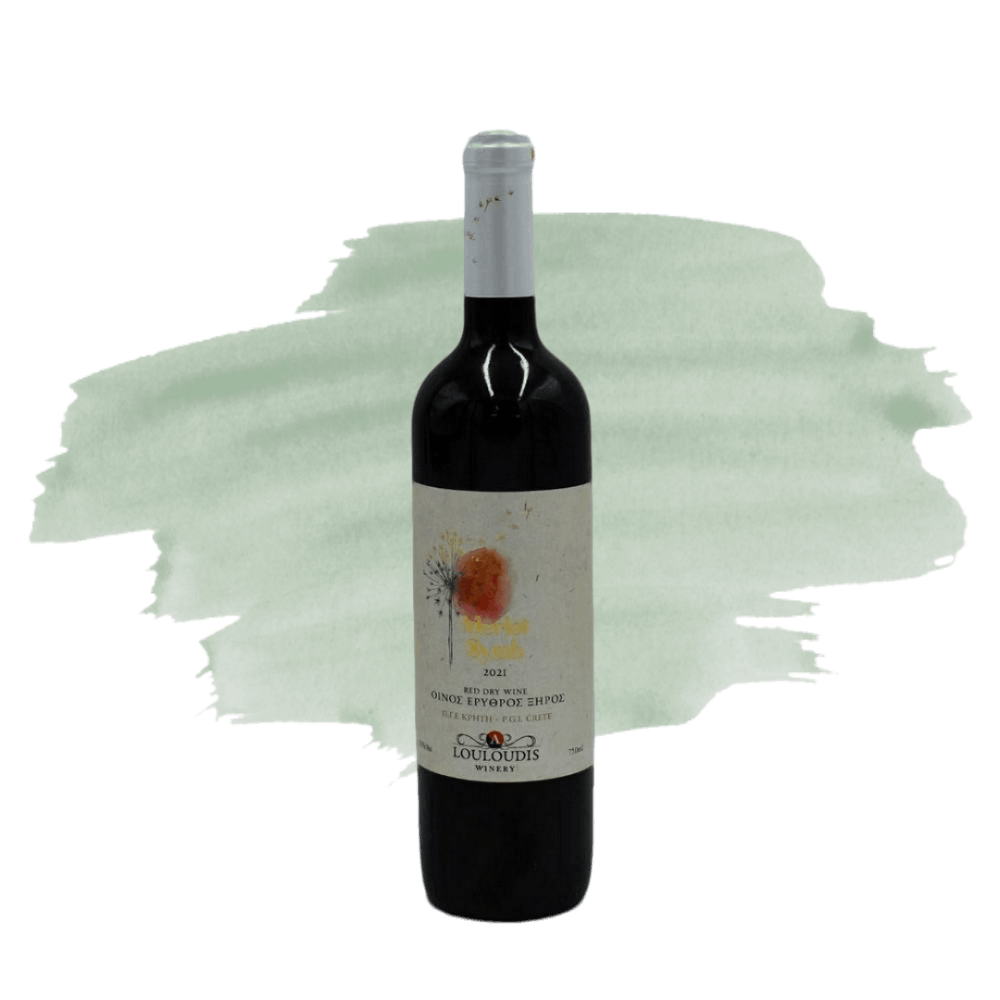
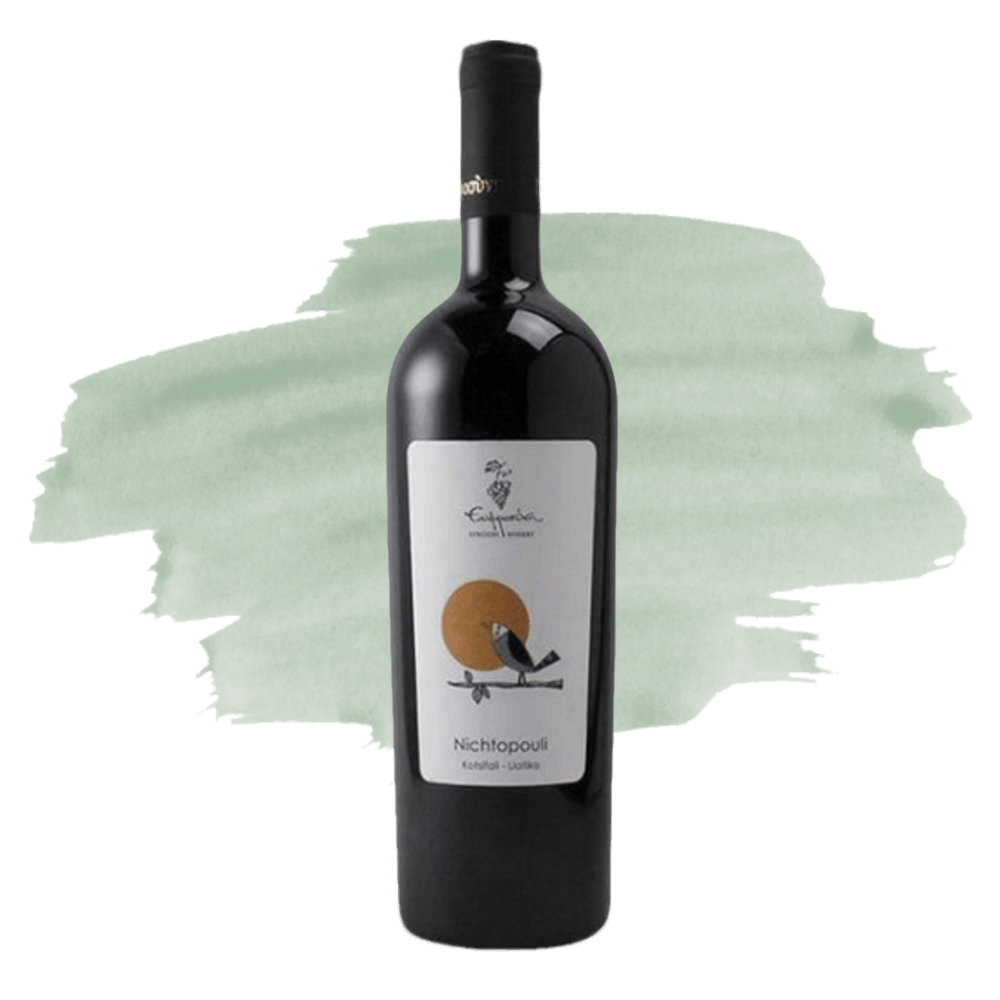
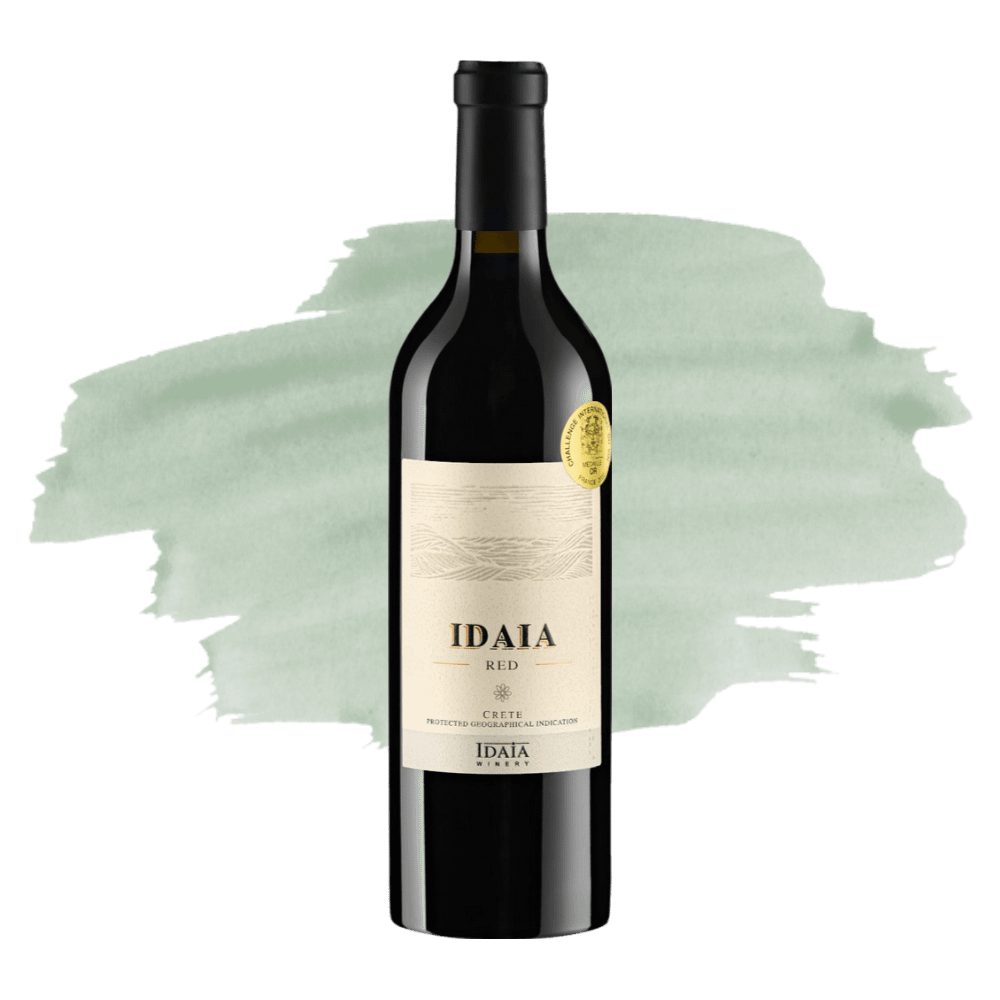
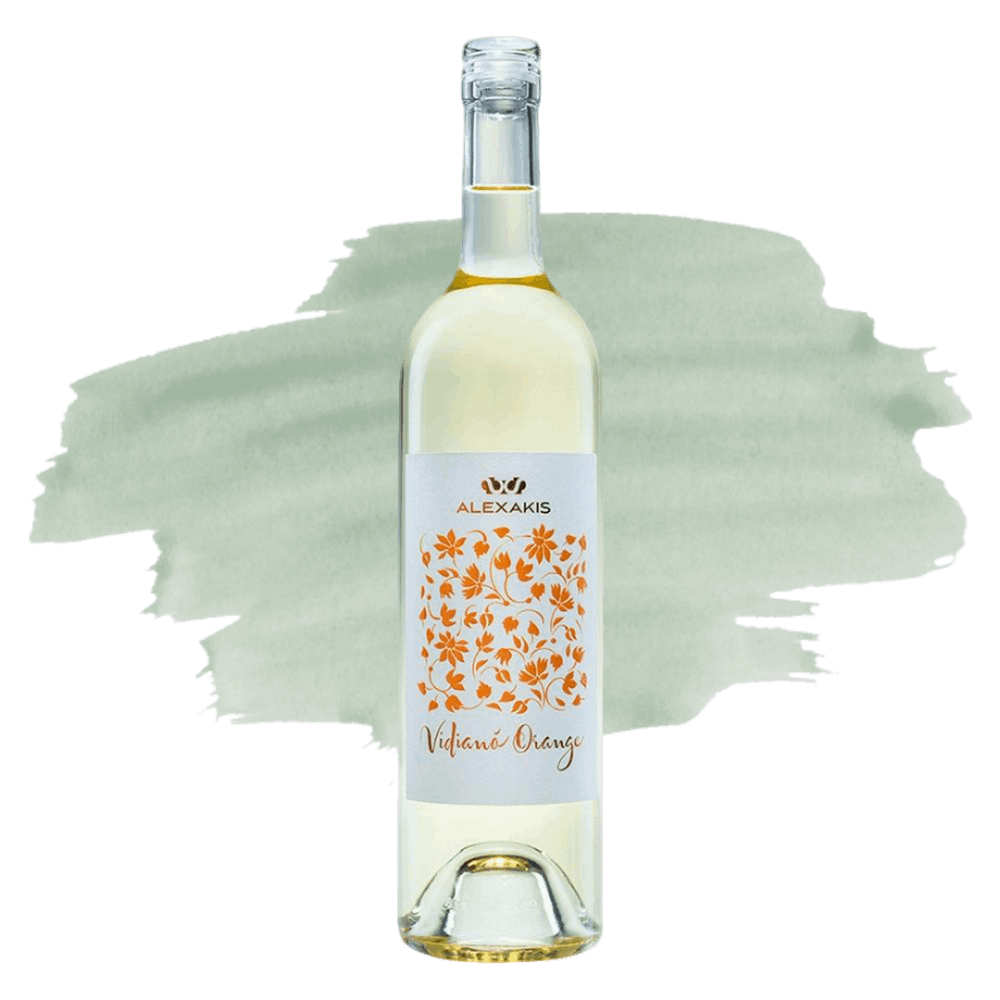
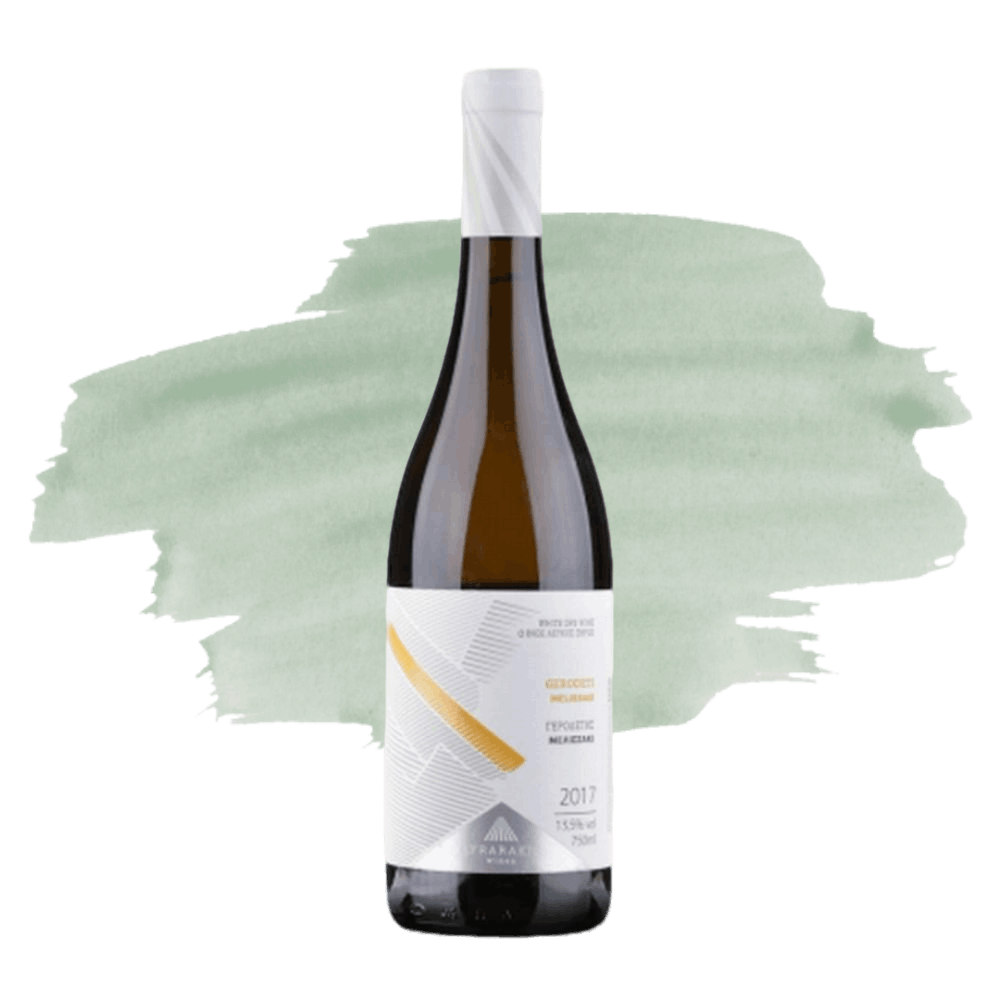
Greek wine has long been celebrated for its diversity, quality, and historical significance. Nestled among picturesque landscapes, the vineyards of Greece produce a stunning variety of wines thanks to the country’s unique climate, soils, and grape varieties. Among the many regions, both Protected Designation of Origin (PDO) and Protected Geographical Indication (PGI) labels play a vital role in highlighting the authenticity and quality of Greek wines. Let’s delve into the intricate world of Greek wine regions, with a particular emphasis on the enchanting wines of Crete.
Understanding PDO and PGI
Κατ' αρχάς, είναι απαραίτητο να κατανοήσουμε τις διακρίσεις μεταξύ των περιοχών ΠΟΠ και ΠΓΕ στο πλαίσιο του ελληνικού συστήματος ταξινόμησης οίνων. Οι οίνοι ΠΟΠ προέρχονται από περιοχές με αυστηρούς κανονισμούς και συγκεκριμένες τεχνικές οινοποίησης που πρέπει να αντικατοπτρίζουν το μοναδικό terroir and traditional methods of the region. In contrast, PGI wines are generally more flexible regarding production methods and grape varieties, allowing winemakers a degree of freedom while still showcasing regional characteristics.
Both labels serve to protect and promote quality wines, enabling consumers to enjoy genuine representations of Greece’s wine heritage. Greece boasts over 30 PDO regions, with renowned names like Santorini, Naoussa, and Nemea, alongside numerous PGI zones across the country.
The allure of Cretan wines
As the largest island in Greece, Crete is a wine lover's paradise, steeped in a winemaking tradition that dates back over 4,000 years. The island is known for its diverse geological formations and microclimates, which play a significant role in the character of its wines. The PDO Cretan wine region, established in 1971, includes several designated areas, such as Chania, Rethymnon, Heraklion and Lassithi.
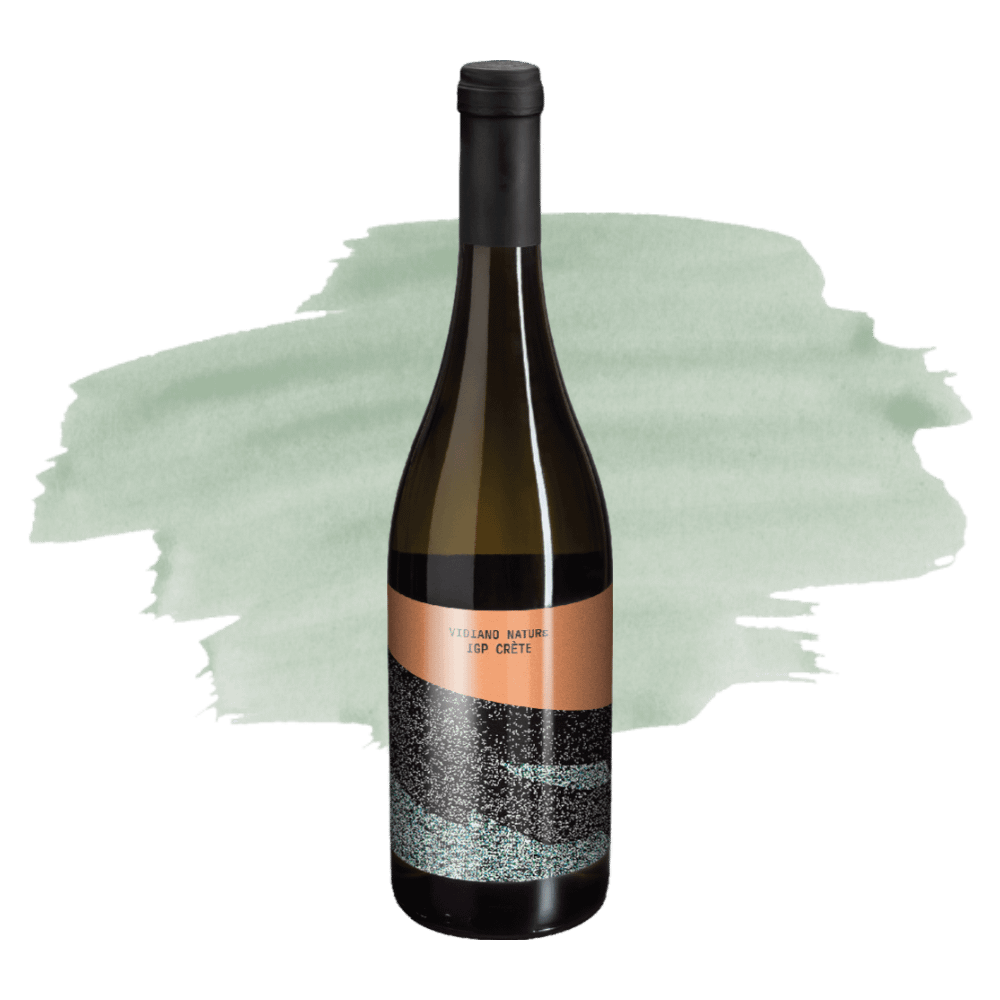
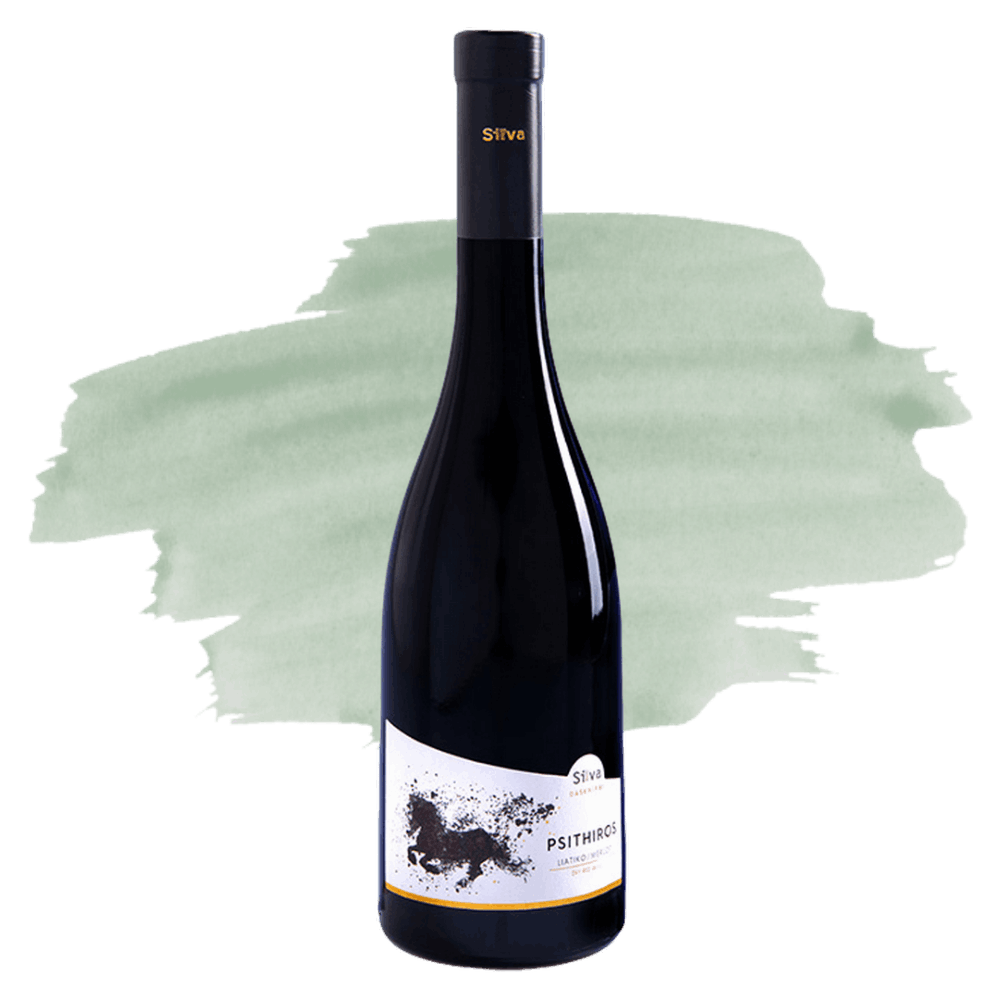
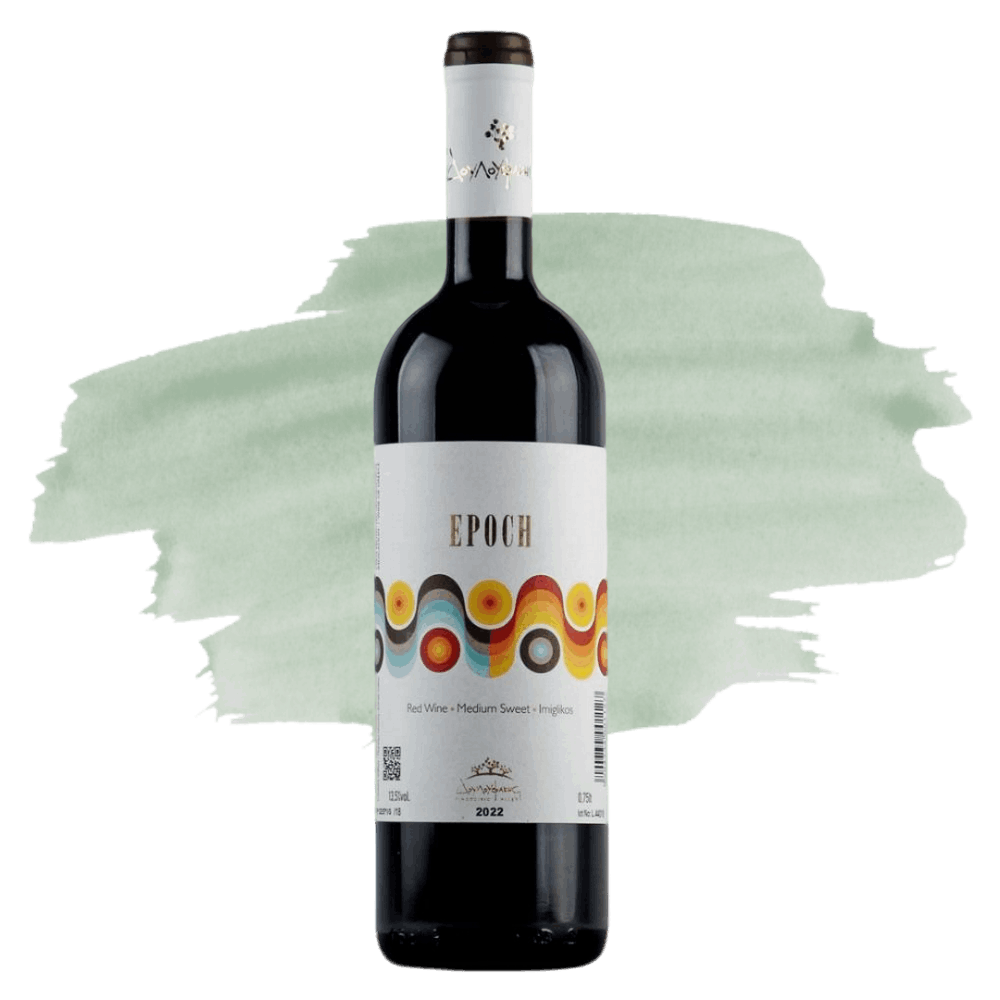
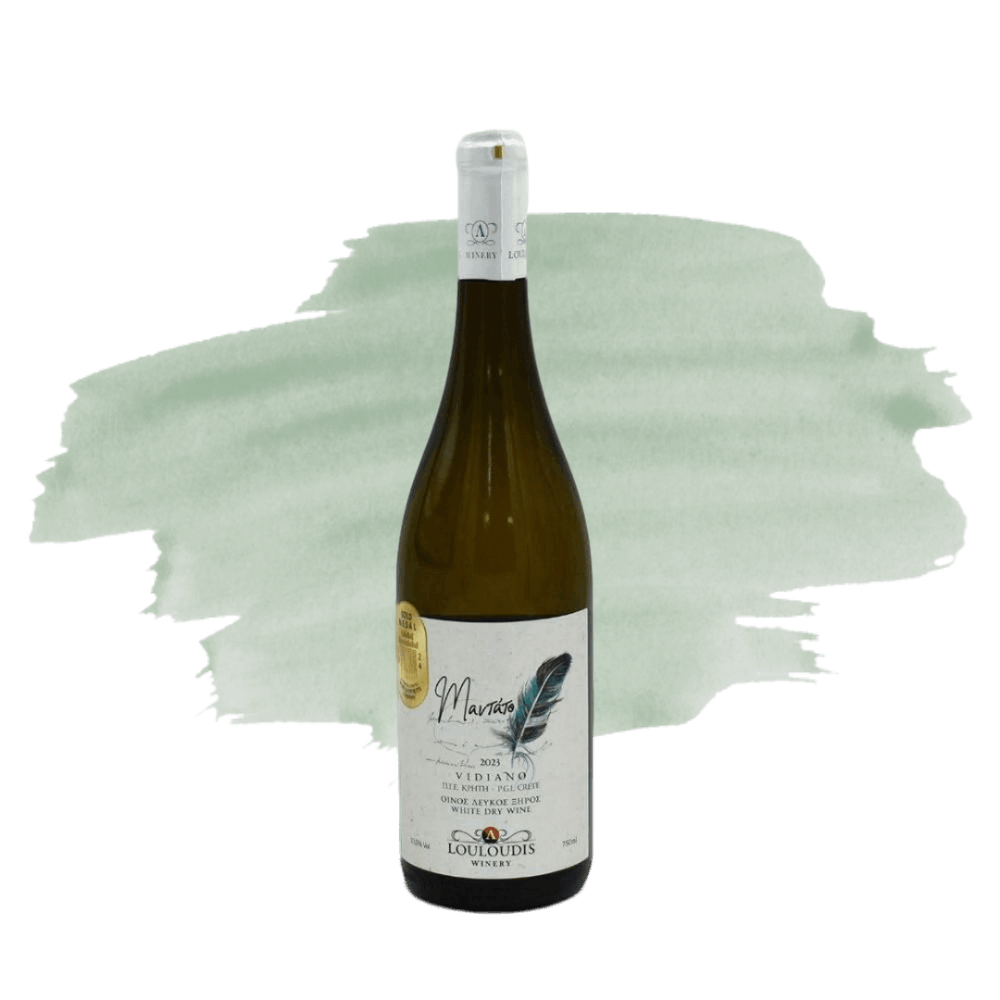
Cretan wines are primarily produced from local grape varieties, many of which are indigenous to the island. One of the most famous grapes is Vidiano, known for its aromatic profile and rich texture. Often described as having floral and citrus notes, Vidiano exemplifies the vibrant essence of Cretan viticulture. Another notable variety is Liatiko, a red grape yielding elegant, fruity wines that can be enjoyed both young and aged.
Unique tastes of Cretan PGI wines
Beyond the PDO designations, Crete also boasts several PGI regions that celebrate the diversity of the island’s wine production. The PGI wines from Crete showcase a range of blends and styles, often incorporating international varieties like Syrah, Cabernet Sauvignon, and Merlot, combined with local grapes.
The flexibility of PGI regulations allows winemakers to experiment with their blends, leading to exciting and innovative wines that appeal to a broader audience. These wines often display a vibrant character, with fresh acidity and a balance of fruitiness, making them ideal companions for a variety of dishes.
Food pairing and enjoyment
When it comes to enjoying Cretan wines, consider pairing them with the island's rich culinary traditions. A crisp glass of Vidiano pairs beautifully with fresh seafood, while a glass of beautifully crafted Liatiko complements grilled meats or a classic Cretan moussaka.
In Crete, meals are often enjoyed outdoors, making the wine experience even more delightful. With its remarkable flavours and deep-rooted heritage, Cretan wine is an invitation to explore the island’s enchanting offerings.
In summary, Greek wine, particularly from the PDO and PGI regions, showcases the country's rich viticultural history. Cretan wines, with their unique grape varieties and diverse styles, are particularly noteworthy. So next time don’t miss the chance to raise a glass of exquisite Cretan wine and explore the flavours of this beautiful island!
Cheers to the spirit of Greece in every sip!